
Sugar Talk
Sugar Talk

El Niño and sugar prices: what buyers need to know
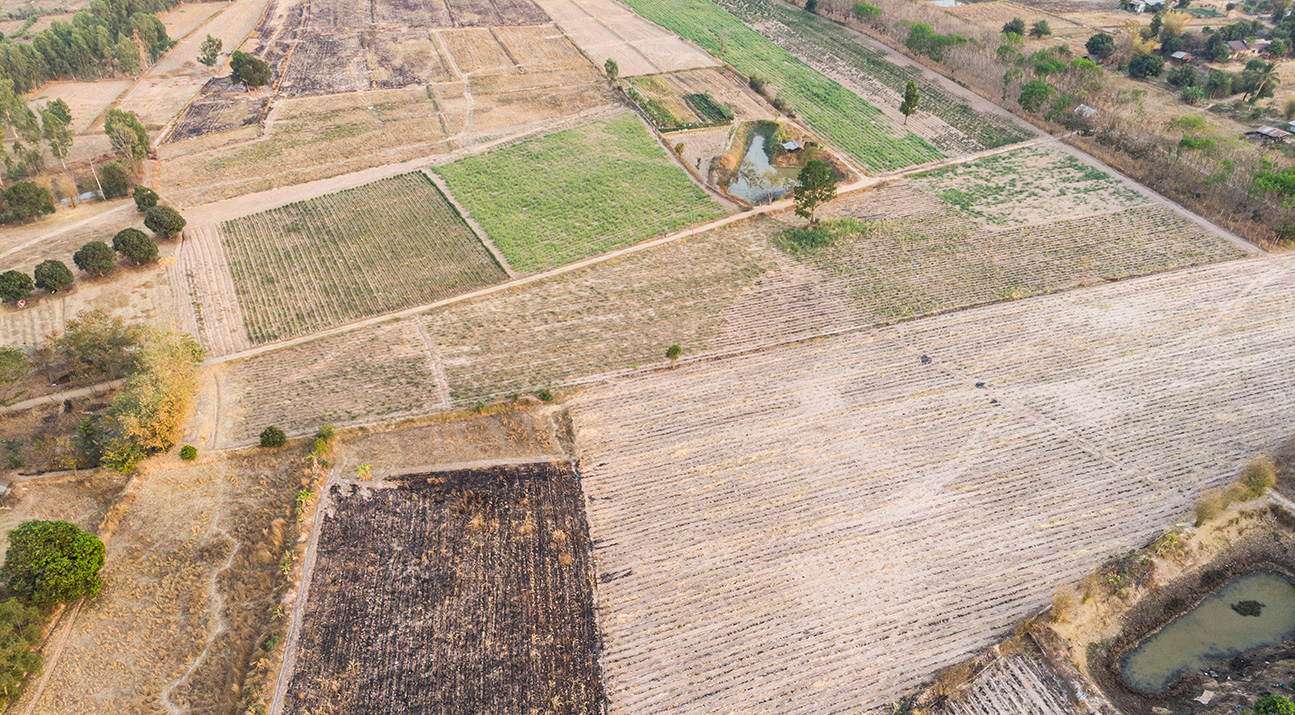
Weather can change cane and beet yields, reduce recoverable sugar from harvests and therefore tighten sugar stocks, pushing prices higher. The coming El Niño climate event is forecast to be one of the strongest in decades, with the UK’s Met Office warning of wetter, stormier UK conditions this autumn and the World Meteorological Organization warning of higher temperatures and disrupted rainfall worldwide. This, following the oil price shocks and global trade route disruption, is another factor for industrial sugar ingredients buyers when planning for the 2026/27 supply contracts.
How climate affects sugar cane and sugar beet
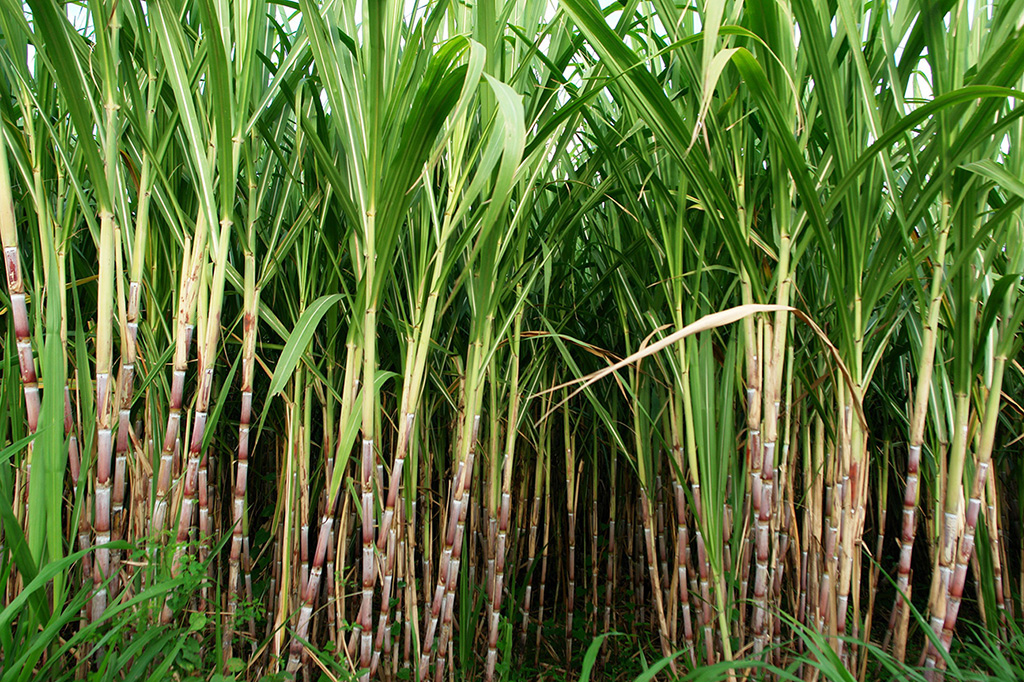
Sugar cane is grown across tropical and subtropical regions, so rainfall, temperature and irrigation are central to yield and quality. Too little rain can reduce cane growth. Too much rain can delay harvesting, disrupt crushing and reduce sugar content. Sugar suppliers source cane sugar from across the tropics, so changes in weather across several regions can affect availability, shipment timing and price.
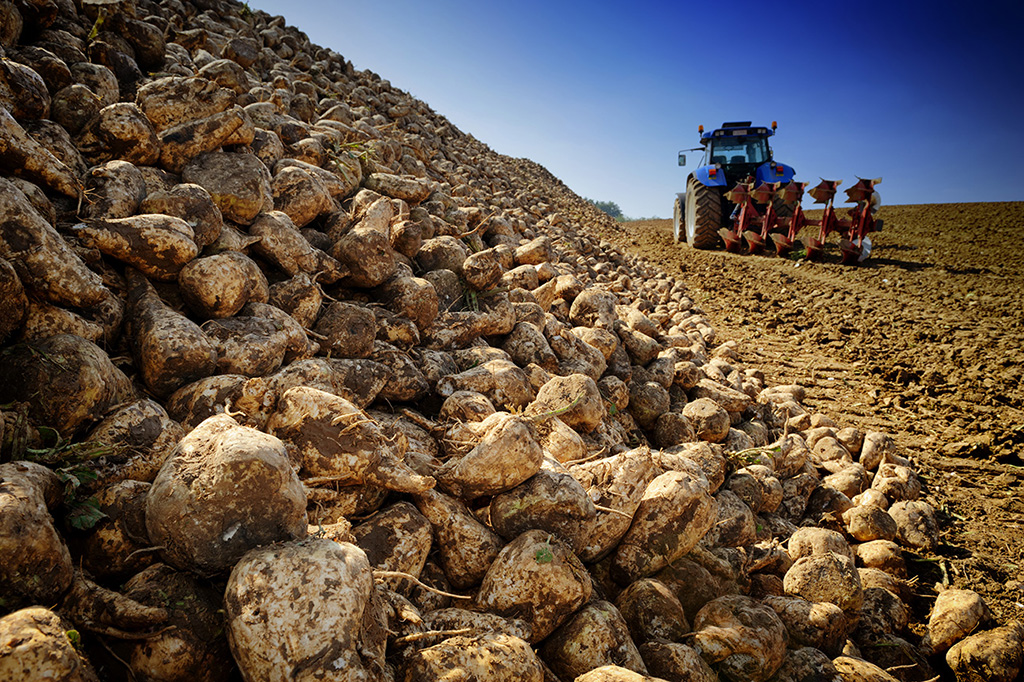
Sugar beet is different. For example, Ragus’ beet sugar is sourced from the UK and Continental Europe, where the crop is exposed to conditions when sown, summer heat, drought, rain at harvest and disease pressure. The European Commission’s short-term analysis says EU sugar production will decline by approximately 9% due to a lower area under sugar beet production. Its Joint Research Centre (JRC) crop monitoring has also flagged low soil moisture, heat and limited rainfall risks for summer crops, including sugar beet, in parts of south-western Germany and eastern France.
What is El Niño?
We’ve all seen the name splashed across the media, but what is El Niño? Literally translating from the Spanish into ‘the little boy’, or ‘the Christ Child’, the United States National Oceanic and Atmospheric Administration (NOAA) describes El Niño as unusual warming in the central and eastern equatorial Pacific Ocean, strong enough to affect weather patterns around the world. It does not create the same weather everywhere. It changes the likelihood of heat, drought, heavy rain and storms in different regions.
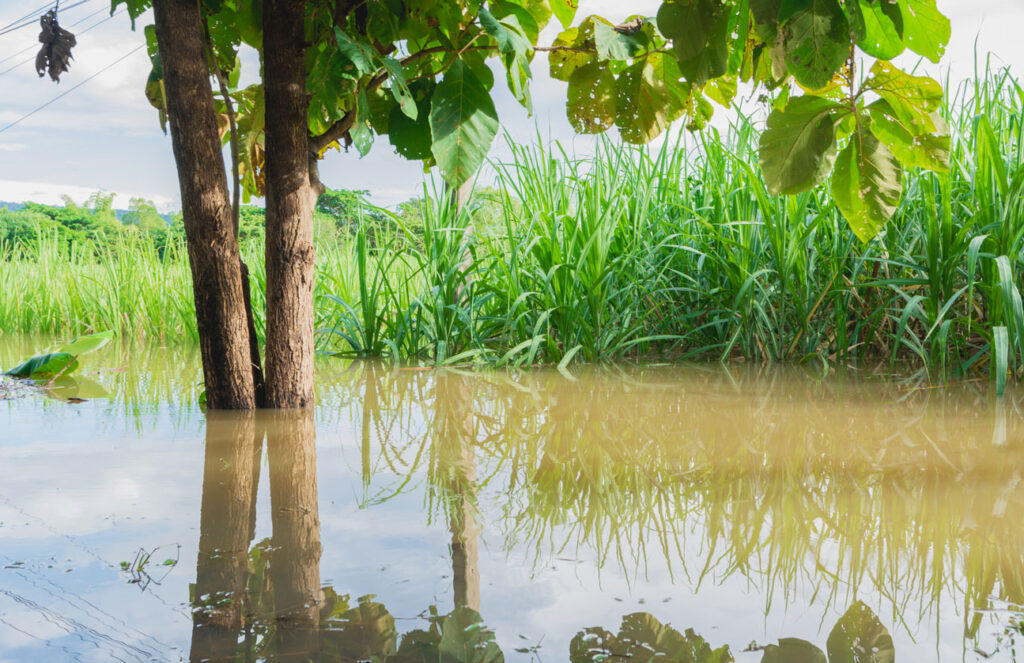
For sugarcane regions, that can mean excess rain in some areas and dryness in others. Brazil can face wetter harvesting and milling conditions, while India and Thailand can face drier conditions that affect sugarcane development. For European sugar beet, the link is less direct, but a stronger El Niño can add to wider climate volatility, including heat, drought and higher autumn rainfall, and therefore flooding risk.
What could this mean for sugar prices?
This year’s forecast is exactly that, a forecast, but international commodities markets are already reacting. Reuters reported that raw sugar futures, the predicted price of cane sugar in the future, reached a more than one-year high as concerns grew that a strengthening El Niño could reduce global sugar production. The same report said white sugar futures also rose, with buyers and traders watching whether, for example, India may need to import sugar because of the possible negative impact of El Niño on India’s sugarcane development.
The price risk comes from several directions at once. Lower cane yield, lower recoverable sugar, delayed crushing, reduced beet output and tighter stocks can all reduce the buffer available to buyers. If several producing regions are affected at the same time, the market can move quickly from comfortable supply to fiercer competition for available sugar. And then the laws of supply and demand apply, and sugar prices will rise.
What about sugar ingredient product carbon footprints?
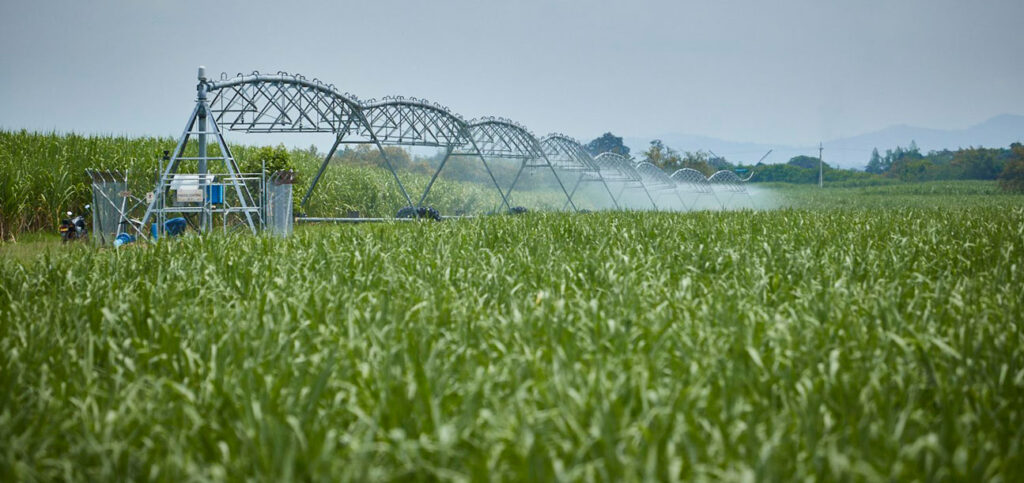
El Niño can also affect carbon performance. Drought may increase irrigation energy, as more water must be pumped into cane fields to sustain yield. Crop stress may increase inputs, like fertilisers, used to protect yield. Lower yields can raise emissions per tonne of sugar because farm and processing emissions are spread across less product. Research on sugar crops shows that climate-induced changes fertiliser, irrigation, fuel and yield all influence carbon footprint.
Planning through uncertainty
El Niño will not affect every sugar origin in the same way, and the final impact will depend on rainfall, heat, crop stage, stocks and governments across the world making policy decisions over the coming months. But for buyers negotiating annual contracts now, it is a risk to watch.
Ragus manufactures functional pure sugar ingredients for industrial food and beverage applications, enhancing flavour, texture and appearance. A core part of our service is sugar sourcing and supply. To learn more about our pure sugar ingredients, contact our Customer Services Team. For more sugar news and Ragus updates, keep browsing SUGARTALK and follow Ragus on LinkedIn.

Ben Eastick
A board member and co-leader of the business, Ben is responsible for our marketing strategy and its execution by the agency team he leads and is the guardian of our corporate brand vision. He also manages key customers and distributors.
In 2005, he took on the role of globally sourcing our ‘speciality sugars’. With his background in laboratory product testing and following three decades of supplier visits, his expertise means we get high quality, consistent and reliable raw materials from ethical sources.


