
Sugar Talk
Sugar Talk

Global supply chain disruption and sugar supply: why supplier capability matters more than ever
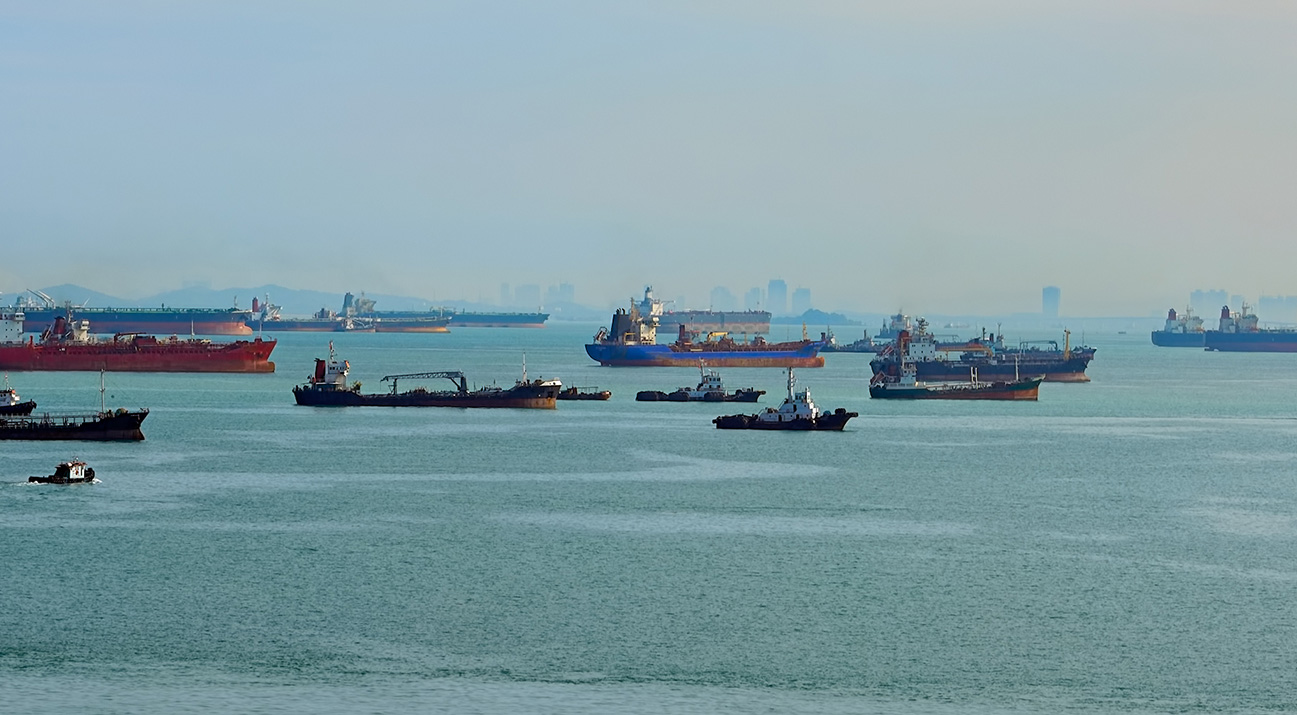
Global events in the Persian Gulf may feel distant to UK and European food manufacturers. But sugar supply chains are global, and disruption in one region can quickly affect availability, cost and reliability elsewhere.
Over the past few years, sugar buyers have become more aware of how geopolitical events can impact ingredients. The disruption following the invasion of Ukraine was one example. More recently, volatility in energy markets has reinforced the link between oil and sugar pricing.
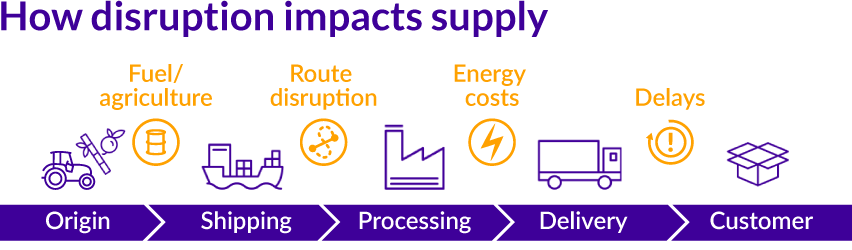
Today, the pressure is broader. Shipping routes, fuel availability and global logistics are all under strain. This is changing how industrial sugar ingredient raw materials move around the world, and what buyers need from their suppliers.
This article explains what is happening, how it affects sugar supply, and why supplier capability is as important as price.
Global disruption is no longer local
Sugar, both sugarcane and sugar beet, is produced in specific regions but consumed globally. Large volumes of cane sugar, for example, move from countries such as Brazil, India and Thailand into Europe and the UK.
This means supply chains depend on:
- Stable shipping routes.
- Predictable fuel availability.
- Efficient global logistics.
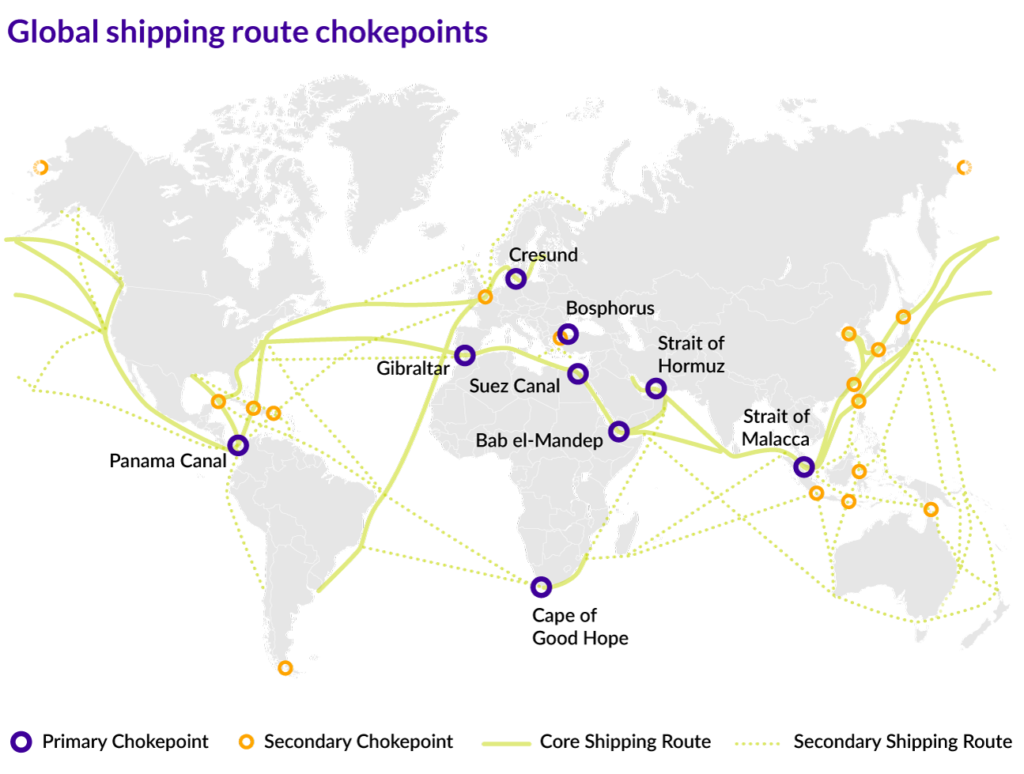
When disruption occurs in key regions such as the Persian Gulf or along major shipping corridors, the effects are not contained locally. They ripple across the system.
Recent challenges have included:
- Shipping routes becoming less accessible or higher risk.
- Vessels being rerouted, often over longer distances.
- Delays and congestion building across ports.
Even where physical supply of sugar remains available, the ability to move it efficiently becomes more uncertain.
How disruption affects sugar supply chains in practice
The impact on sugar supply is not always immediate, but it is consistent and cumulative. It tends to show up in four main areas.
Shipping and freight
When vessels avoid certain routes, journeys become longer and more expensive. Freight rates increase and transit times extend. This directly affects landed cost and delivery schedules.
Vessel availability
Global shipping works as a system. At the time of writing, an estimated 2,000 vessels of all kinds are trapped in the Persian Gulf, unable to transit the Straits of Hormuz. When ships are delayed or diverted, they are not where they are needed next. This creates imbalances, with reduced capacity in some regions and congestion in others.
Fuel and energy
Fuel is critical across the supply chain. Disruption can lead to local shortages or price spikes, affecting shipping, processing and transport. These pressures feed through into both cost and reliability.
Inventory and timing
Longer and less predictable lead times require more careful planning. Buyers may need to hold more stock or accept greater variability in delivery.
These factors rarely operate in isolation. Together, they create a more complex and less predictable supply environment.
Why agriculture is directly exposed
Modern sugarcane and sugar beet production is highly mechanised and energy dependent. Sugar production relies on:
- Diesel-powered planting, pumping, spraying and harvesting.
- Energy-intensive milling and processing.
- Transport from field to factory and then to export.
When fuel availability is constrained or prices increase, this affects:
- Production costs.
- Operational efficiency.
- Output decisions.
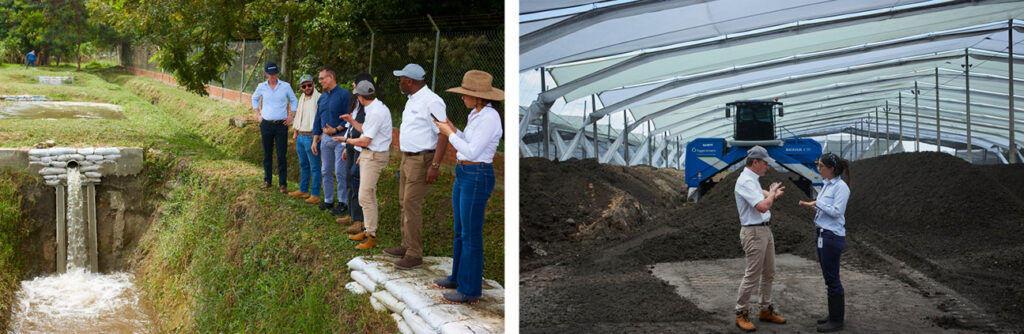
This links directly back to wider energy markets. As explored in previous Ragus analysis, oil price movements can influence not only logistics but also how much sugar is produced and where it is directed. Energy and logistics fundamental to sugar supply.
Agriculture is also more exposed to fertiliser price increases and, as disruption in the Persian Gulf continues, shortages.
What this means for food and beverage manufacturers
For buyers, the result is a shift in how risk needs to be managed.
Key impacts include:
- Less predictable pricing as costs move more frequently.
- Longer and more variable lead times.
- Increased risk of supply interruption.
- Greater pressure on procurement and production planning.
In stable conditions, buying sugar can be largely transactional. In the current environment, that assumption is weaker. Supply continuity and reliability through longstanding relationships are becoming more important alongside price.
Why supplier capability is as important as price
This is where the role of the supplier changes. In a stable market, differences between suppliers can appear limited. Price and specification tend to dominate decisions. In a disrupted market, supply chain capability becomes much more visible. A supplier’s ability to:
- Anticipate disruption;
- Adapt sourcing;
- Manage logistics;
- Maintain product consistency;
…directly affects the customer’s ability to operate. This does not remove the importance of price. But it changes the balance and the lowest price is rarely the lowest risk.
What to look for in a sugar supply partner
In the current environment, there are several industrial sugar ingredients supplier characteristics of increasing importance:
Diversified sourcing
Access to multiple origins, including both cane and beet, reduces reliance on any single region and allows supply to be adjusted when disruption occurs.
Supplier relationships
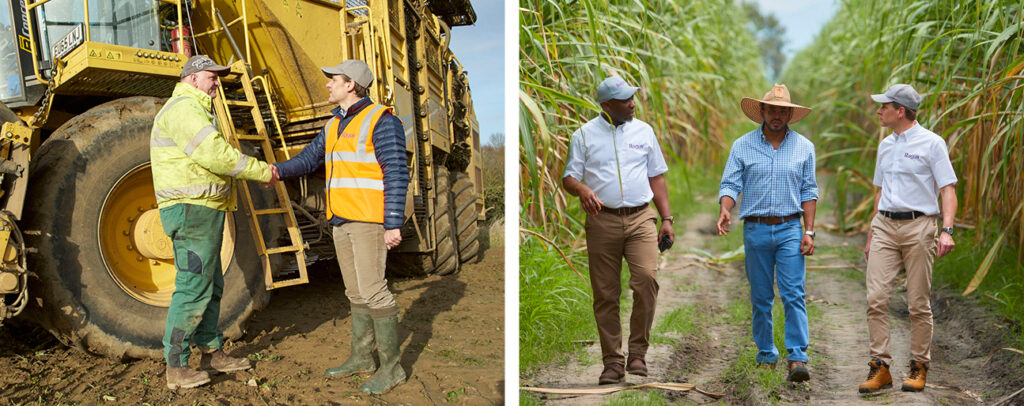
Established, long-term relationships with sugarcane and sugar beet producers and traders provide more flexibility and visibility than purely transactional sourcing.
Logistics understanding
A clear understanding of global shipping routes, risks and alternatives enables better planning and faster response when conditions change.
Inventory and planning
The ability to manage stock levels and production schedules helps absorb short-term disruption and maintain supply.
Product consistency
Switching origin or route should not compromise quality. This requires control over processes and specifications.
Together, these capabilities define how resilient a supply chain is in practice.
How Ragus manages supply chain risk
Ragus operates within this global system but is structured to manage its complexity.
The business combines:
- sourcing from multiple origins
- the ability to work with both cane and beet sugars
- a flexible batch production model
- established supplier relationships
This allows Ragus to:
- adapt sourcing when conditions change
- maintain continuity of supply
- ensure consistent product quality
Experience in managing previous periods of disruption over our 97 years of operations has reinforced the importance of planning, flexibility and close supplier engagement.
Securing supply in an uncertain global market
Global disruption is no longer an occasional event. It is an ongoing feature of the market. For sugar buyers, this changes how supply should be managed. Understanding the link between global events and ingredient availability is important. But acting on that understanding is more important.
Choosing a supplier of course focuses on about price or product, but it should also include:
- Reliability.
- Resilience.
- The ability to manage complexity.
In this environment, supplier capability becomes a key part of procurement strategy.

Ragus supplies functional sugar ingredients to the food and beverage industry, supported by a strong understanding of global supply chains, sourcing and logistics. We work closely with our customers to maintain continuity of supply and consistent product quality, even in changing market conditions.
To discuss your requirements or current supply challenges, contact our Customer Services Team. For more market insight and industry updates, explore Sugar Talk and follow Ragus on LinkedIn.

Ben Eastick
A board member and co-leader of the business, Ben is responsible for our marketing strategy and its execution by the agency team he leads and is the guardian of our corporate brand vision. He also manages key customers and distributors.
In 2005, he took on the role of globally sourcing our ‘speciality sugars’. With his background in laboratory product testing and following three decades of supplier visits, his expertise means we get high quality, consistent and reliable raw materials from ethical sources.


