Sugar Talk
Sugar Talk

Sugar prices turn higher: Europe’s tightening supply picture
The new sugar marketing year has begun with higher international prices and a weaker outlook for European beet sugar production. For food and beverage manufacturers reviewing recent contracts or discussing additional volumes, the market has changed considerably since early summer.
Our procurement teams report that the rise in European beet sugar prices has been accompanied by greater caution over forward supply, with several European refiners pausing price offers for 2027.
That significant move reflects uncertainty about how much sugar the coming crop will deliver, and how much Europe’s producers can commit to selling.
The change in sugar prices
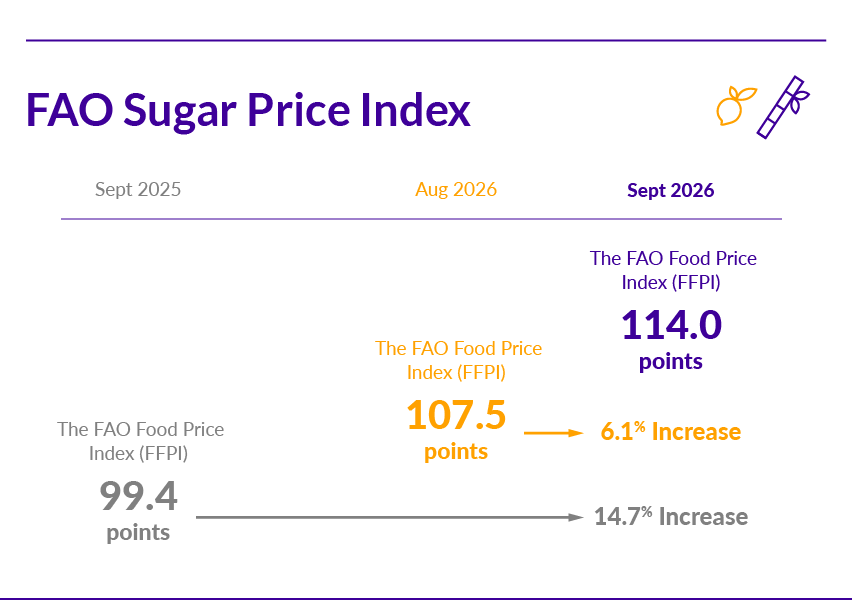
The Food and Agriculture Organization (FAO) Sugar Price Index averaged 114.0 points in September 2026, up 6.1% from August and 14.7% from a year earlier. This index monitors and reports on changes in sugar prices in international markets.
FAO linked the increase during September to expectations of tighter supplies, including both reduced European beet output and concerns over crops in major cane-producing countries.

Our earlier article on sugar market volatility and industrial ingredient costs explains how global prices impact on what food and beverage brands in the UK and continental Europe pay for their sugar.
The development this autumn is the growing pressure on European production and the effect it is having on offers for future supply.
Europe’s smaller crop starts with fewer hectares
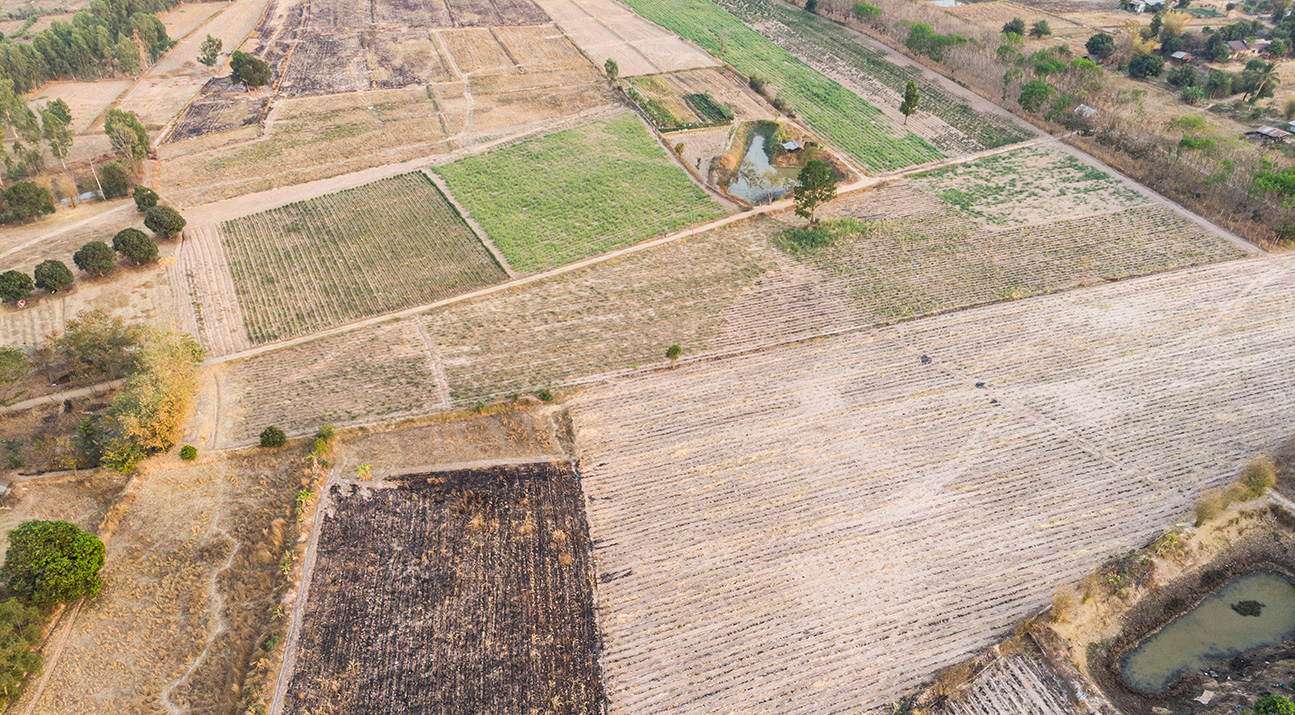
Europe’s production outlook was already under pressure before the summer’s dry weather. Lower sugar prices last year had weakened the incentive to plant beet, while growers and processors continued to face substantial costs.
A smaller planted area makes the harvest more dependent on a good yield from each hectare. This season, prolonged heat and limited rainfall have also affected crop development.
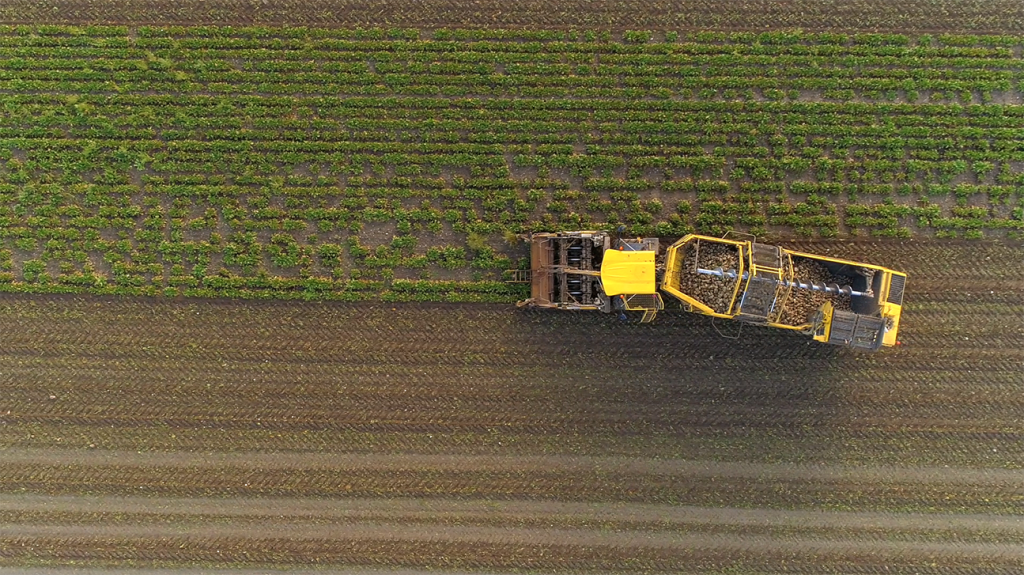
The amount of sugar produced depends on both the weight of beet harvested and its recoverable sugar content. A high sugar concentration cannot, by itself, compensate for a much smaller crop. Rain can relieve moisture stress, but its effect depends on when it arrives and the condition of the plants.
There is also a longer-term constraint. Europe has lost beet processing sites over several years, a trend documented by the European Association of Sugar Manufacturers. Recovering production requires viable returns for growers and access to processing capacity, as well as favourable weather.
The higher sugar prices we’re experiencing currently may encourage future planting, but they cannot add hectares to the crop already in the ground.
Why producers are cautious about forward offers
A producer agreeing a price and volume for future delivery must assess its likely output, existing commitments and production costs. When crop estimates deteriorate, the quantity available for further sales becomes less certain.
Some producers may raise offers. Others may wait for clearer harvest results before making further commitments. Several refiners pausing offers for 2027 shows how crop uncertainty can affect purchasing discussions before final production figures are available.
For buyers, the distinction is significant. An indicative price, a firm offer and an agreed supply contract represent different levels of commitment. The delivery period and validity of an offer are as important as the price.
Global supply also faces uncertainty
Imports from other regions, cane and beet, can help meet European requirements, but their availability depends on conditions elsewhere.

FAO’s September assessment highlighted lower production forecasts for Thailand, concerns over India’s crop and rain disrupting harvesting in Brazil’s Centre-South region.
These developments affect expectations for the sugar available to international buyers.
In India, domestic requirements influence how much sugar can reach export markets. Brazil’s contribution depends on harvesting progress, cane quality and the proportion of cane processed into sugar.
The balance between sugar and ethanol can change during a season. When sugar becomes more attractive financially, mills may increase sugar production where their operations allow. This can help ease supply pressure, although weather and processing constraints still matter.
Ragus has examined these relationships in its articles on El Niño and sugar production and how energy markets influence sugar supply.
Rising prices can still reverse. And reverse again.
The recent rally does not establish a fixed direction for the months ahead as sugar futures respond to market expectations as well as forecast physical supply. For example, sugar futures buyers unrelated to the actual consumption of sugar, like investment funds buying contracts, or buying back contracts previously sold, can accelerate a price increase.
Selling can bring prices down again when expectations change. That helps explain why prices can rise even while sugar remains available in parts of the physical market.
Concern about future supply can influence trading before a shortage develops.
Better harvest results, increased sugar production or weaker demand could ease pressure. Further crop losses could increase it.
A short-term fall therefore needs to be considered alongside the availability of the sugar required for a particular delivery period.
Different sugar ingredients face different pressures
Ragus manufactures pure sugar ingredients whose raw materials and processing requirements vary. Those differences affect how market changes feed through to individual products.
For example, cane molasseshttps://www.ragus.co.uk/product/cane-molasses/ has its own supply and demand conditions, including competing uses in fermentation, ethanol and animal feed. Our experience was that reductions in sugar prices earlier in the year did not produce equivalent reductions in molasses prices.
This also matters for ingredients manufactured with molasses. Ragus blends cane molasses with refiners syrup to produce black treacle, while molasses blends contribute to the colour and flavour of dark soft brown sugar. Refiners syrup and soft brown sugars use white crystalline sugars as raw materials.

So, the raw materials used to manufacture pure sugar ingredients can have competing cost pressures on the final price.
Planning supply during the new sugar year
For food and beverage manufacturers with contracts in place, the immediate task is to keep forecasts and delivery schedules accurate. Changes in demand, additional volumes or new product launches should be discussed against the supply already agreed.
For tactical requirements still to be contracted, discussions should establish the ingredient specification, volume, delivery period and how long the offer remains available.

Ragus’s sourcing and manufacturing teams bring those requirements together, using established supplier relationships and production planning to maintain consistency. Our article on supplier capability and continuity of sugar supply explains this work in more detail.
Ragus manufactures functional pure sugar ingredients for industrial food and beverage applications, enhancing flavour, texture and appearance. To discuss your requirements for the 2026/27 sugar year, contact our Customer Services Team. For more sugar news and Ragus updates, keep browsing SUGARTALK and follow Ragus on LinkedIn.

Ben Eastick
A board member and co-leader of the business, Ben is responsible for our marketing strategy and its execution by the agency team he leads and is the guardian of our corporate brand vision. He also manages key customers and distributors.
In 2005, he took on the role of globally sourcing our ‘speciality sugars’. With his background in laboratory product testing and following three decades of supplier visits, his expertise means we get high quality, consistent and reliable raw materials from ethical sources.