Sugar Talk
Sugar Talk

From emissions factors to reduction pathways: how sugar ingredients can support food brands’ decarbonisation goals
Food and beverage brands are under growing pressure to cut carbon across their supply chains. Scope 3 emissions targets are now embedded in corporate strategy, procurement decisions are increasingly carbon-informed, and suppliers are being asked to demonstrate not just where emissions sit today, but how they will reduce them over time.
For sugar ingredients, this creates a particular challenge. Sugar plays a critical functional role in taste, texture, shelf life and processing. It is rarely optional in formulation. Yet procurement teams are often presented with headline emissions factors as if they are fixed, comparable numbers that can be optimised simply by switching suppliers or ingredients.
In practice, this approach is too simplistic. What matters for decarbonisation outcomes is not just the emissions factor associated with a sugar ingredient today, but the supplier’s ability to credibly reduce emissions over time. Reduction pathways, not static snapshots, are what enable brands to meet their climate commitments.
The decarbonisation challenge facing food and beverage brands
Most large food and beverage brands now operate under multiple, overlapping environmental, social and governance (ESG) expectations. These include greenhouse gas reduction targets, land use and deforestation commitments, nature and biodiversity goals, and increasing scrutiny from investors, regulators and customers.
Crucially, many of these targets are framed around percentage reductions over defined time horizons, rather than the absolute footprint of individual products. This reflects an understanding that supply chains are complex, and that meaningful progress depends on long-term change rather than short-term optimisation.
As a result, procurement teams are being asked to look beyond price and specification. Ingredients must still perform, supply must remain secure, but purchasing decisions are now also expected to support corporate decarbonisation trajectories. For essential ingredients like sugar, this means understanding where emissions arise and which levers can realistically be pulled.
Here is a brief explanation of the approach Ragus has adopted for its emissions reductions strategies:
- Scope 1 covers a company’s direct emissions from sources it owns or controls, such as on-site fuel use and manufacturing processes.
- Scope 2 covers indirect emissions from the generation of purchased energy, including electricity, heat or steam used in operations.
- Scope 3 covers all other indirect emissions across the value chain, including raw material production, ingredient sourcing, transport, and downstream use and disposal.
The Scopes 1, 2 and 3 framework is defined by the Greenhouse Gas (GHG) Protocol and is the most widely used global standard for corporate greenhouse gas accounting.
Where emissions sit in food supply chains and sugar ingredients
Across the global food system, the majority of emissions occur upstream from the consumer facing manufacturers. Agricultural production typically accounts for the largest share, followed by processing energy, transport and manufacturing operations.
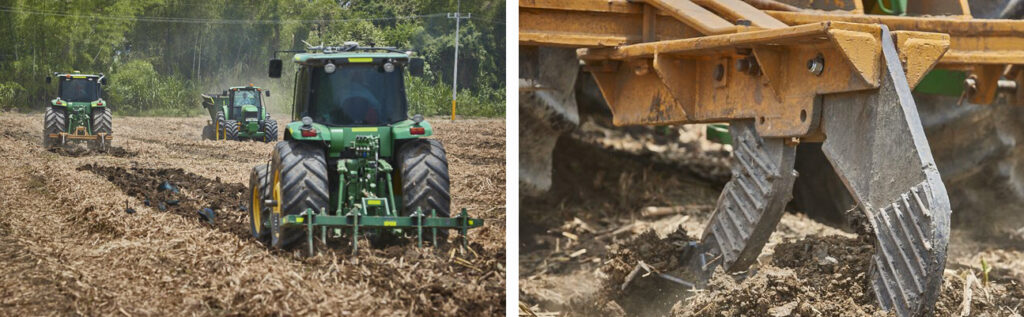
The same pattern applies to sugar ingredients. Research commissioned by Ragus into sugar supply chains highlights that most emissions sit well before ingredients reach a manufacturer’s factory gate. Agriculture is the dominant contributor, driven by factors such as:
- Fertiliser type and application rates, which influence nitrous oxide emissions.
- Irrigation practices and associated energy use.
- Crop yields, which determine how impacts are distributed per tonne of output.
- Land use change, which can materially affect emissions depending on geography and historical land dynamics.
Downstream stages such as refining, ingredient manufacture and logistics remain relevant, but they are rarely the primary drivers. This matters because it reframes where decarbonisation efforts need to focus. If most emissions sit upstream, then most reduction potential sits there too.
Why emissions factors alone are not enough
Emissions factors are useful. They provide a baseline view of carbon intensity and help identify hotspots. However, when used in isolation, they offer limited guidance for long-term decision-making.
Two sugar ingredients with similar emissions factors today may have very different reduction potential. Equally, an ingredient with a relatively higher emissions factor may sit within a supply chain that offers substantial scope for improvement through changes in farming practices, sourcing strategies or energy use.
For food brands working towards time-bound reduction targets, this distinction matters. What supports decarbonisation objectives is not simply selecting the lowest number on a spreadsheet, but partnering with suppliers who can demonstrate how emissions will fall year on year.
What decarbonisation strategies should food brands expect from sugar suppliers?
A credible decarbonisation roadmap for sugar ingredients typically spans multiple levels of the supply chain and requires sustained investment. Food and beverage brands should expect suppliers to be able to articulate, where relevant, and progressively deliver against, strategies such as:
- Agricultural practice improvements, including fertiliser optimisation, reduced reliance on irrigation where feasible, and yield improvements that lower emissions per tonne.
- Land use risk management, particularly for sugarcane supply chains, where geography and historical land dynamics can materially influence carbon outcomes.
- Energy decarbonisation, both upstream in refining and downstream in ingredient manufacture, through efficiency improvements and lower-carbon energy sources.
- Data quality improvements, moving from generic averages towards more specific, supplier-level information that better reflects actual practices.
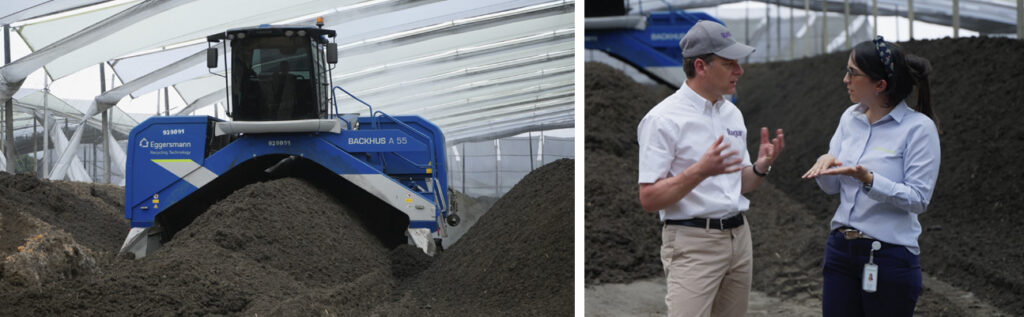
These changes are neither simple nor immediate. They require collaboration with growers, refiners and logistics partners, alongside investment in data, expertise and operational change. However, they are also the mechanisms through which meaningful emissions reductions can be achieved.
Functionality still matters
It is also important to recognise that sugar ingredients are rarely interchangeable commodities from a formulation perspective. Different sugars and syrups deliver distinct functional properties, from crystallisation behaviour to colour, flavour and humectancy.
Decarbonisation strategies that ignore functionality risk undermining product quality, process efficiency or consumer acceptance. In many cases, reformulation is not feasible or desirable. Reduction pathways therefore need to work with existing ingredient choices, improving how those ingredients are produced rather than assuming they can simply be replaced.
This is another reason why supplier engagement is critical. Suppliers with a deep understanding of both functionality and supply chain dynamics are better placed to support brands in reducing emissions without compromising performance.
Why decarbonisation creates commercial value
For many food brands, the case for decarbonisation is no longer purely environmental. It is increasingly commercial.
From a B2B perspective, credible reduction pathways can influence procurement decisions, supplier retention and long-term partnerships. Brands facing Scope 3 pressure are likely to favour suppliers who can support their targets over those who cannot, particularly where switching costs or technical risks are high.
There is also a growing recognition that lower-carbon supply chains may become scarce. Not all suppliers will invest in decarbonisation at the same pace or depth. As a result, ingredients backed by robust reduction strategies may command a premium, whether through preferred supplier status, longer contracts or shared investment models.

Examples from elsewhere in the food sector show how collaborative approaches to Scope 3 reductions can unlock value, aligning emissions reduction with supply security and shared commercial objectives. While consumer willingness to pay remains variable and category-specific, B2B buyers are increasingly prepared to factor decarbonisation into purchasing decisions where it supports broader business goals.
Supporting brands through partnership, not just supply
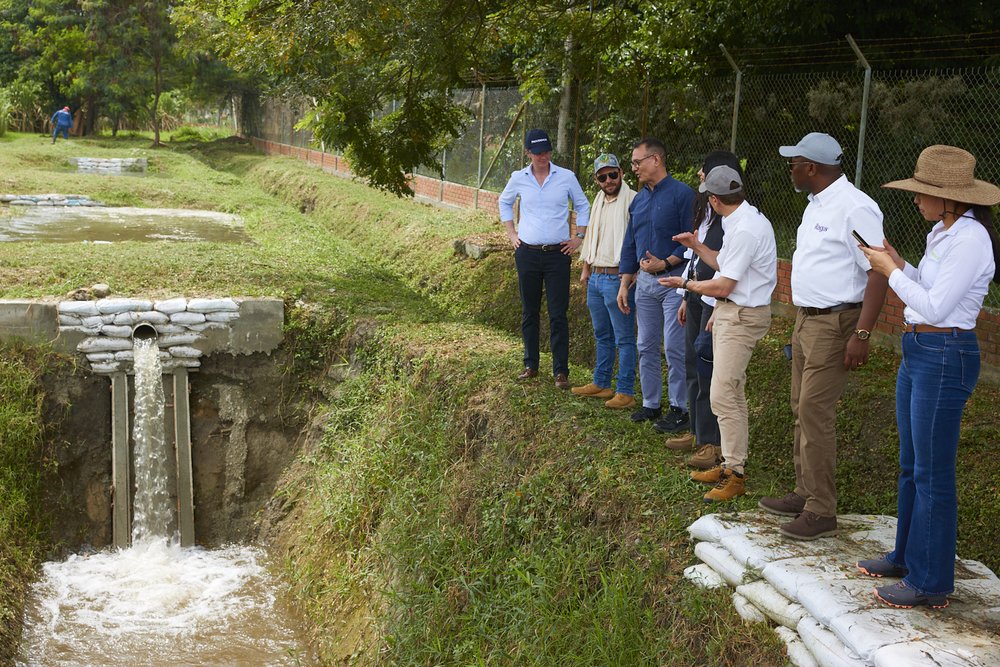
For sugar ingredients, the implication is clear. Decarbonisation cannot be delivered through transactional purchasing alone. It requires partnership across the supply chain, with transparency, shared objectives and a focus on long-term improvement rather than short-term optimisation.
At Ragus, we work with customers who need to understand not just the carbon footprint of sugar ingredients, but how those footprints can be reduced responsibly over time. That means engaging with sourcing regions, agricultural practices and processing steps, and being open about both challenges and opportunities.
As food brands continue to navigate their decarbonisation journeys, the role of their sugar suppliers will increasingly be judged on their ability to contribute to credible reduction pathways. Emissions factors are a starting point. Reduction strategies are what ultimately help brands meet their decarbonisation goals.
Ragus manufactures functional sugar ingredients for industrial food and beverage applications, with a deep understanding of how sourcing, processing and supply chain decisions affect carbon outcomes. We work with customers to support credible, long-term decarbonisation pathways for sugar ingredients, without compromising functionality or performance.
To discuss how your sugar supply chain can support your Scope 3 reduction goals, contact our Customer Services Team. For more market insight and sustainability updates, explore Sugar Talk and follow Ragus on LinkedIn.

Ben Eastick
A board member and co-leader of the business, Ben is responsible for our marketing strategy and its execution by the agency team he leads and is the guardian of our corporate brand vision. He also manages key customers and distributors.
In 2005, he took on the role of globally sourcing our ‘speciality sugars’. With his background in laboratory product testing and following three decades of supplier visits, his expertise means we get high quality, consistent and reliable raw materials from ethical sources.


