Sugar Talk
Sugar Talk


How the right sugar ingredient supplier helps solve product and production challenges
Food and drink manufacturers rarely choose sugar for sweetness alone. In industrial food and beverage production, sugar ingredients affect much more than flavour. They influence texture, colour, mouthfeel, moisture retention, crystallisation, fermentation, shelf life, viscosity, processing performance and product consistency. In some applications, the wrong sugar ingredient can affect not only the finished product, but also the way it runs through the production line.
That is why sugar ingredient selection is rarely a purchasing decision alone. It is a formulation, process, packaging, supply chain, quality and sustainability decision too.
For food manufacturers, brewers, beverage producers and pharmaceutical businesses, the right supplier should do more than quote a price and deliver a product. It should help bridge the gap between the sugar ingredient being supplied and the finished product being made.

At Ragus, this consultative support is part of how we work. We manufacture functional pure sugar ingredients, but we also help customers understand which ingredient is right for their application, how it behaves in production, and how supply, packaging, storage, specification and sustainability choices affect performance.
Why sugar ingredient advice is essential
Sugar is one of the most familiar ingredients in food production, but it is also one of the most technically important. Depending on the application, sugar can:
- Help build colour and flavour.
- Control crystallisation.
- Improve texture and mouthfeel.
- Retain moisture.
- Support fermentation.
- Act as a natural preservative.
- Add bulk and structure.
- Influence viscosity and flow.
- Help products perform consistently through production, storage and distribution.
These functions are not interchangeable. A liquid sugar, invert syrup, glucose syrup, soft brown sugar, treacle or molasses may all contribute sweetness, but each behaves differently in the finished product and on the production line.

That means product selection needs to start with the brand’s application, as well as the ingredient name.
Here are six areas where the right sugar ingredient supplier can help manufacturers make better product, production and supply decisions.
1. Choosing the right sugar for product performance
Many product challenges begin with a simple question: which sugar ingredient will give the required result?
For some products, the priority may be moisture retention. For others, it may be colour, flavour, viscosity, fermentation, shelf life or process efficiency, or all of these. The same sugar ingredient will not suit every application.
Invert sugar syrup, for example, can help control crystallisation and retain moisture, which makes it useful in applications such as fondants, icings, fillings and bakery products. Liquid sugar can support process efficiency and consistency where dry sugar handling is less suitable. Molasses and treacles can add colour, flavour, mouthfeel and depth. Brown sugars and demerara sugars can contribute texture, colour and flavour as well as sweetness.

A good sugar ingredient supplier should help their customers understand the functional difference between these ingredients and how they behave in real production environments.
This is particularly important when customers are developing a new product, scaling from trial to production, changing ingredient format, or trying to solve a product performance issue.
2. Reformulating without losing quality
Reformulation can be one of the most difficult challenges for food and beverage manufacturers. A brand may need to remove an ingredient, change a label declaration, meet a retailer requirement, improve process efficiency or adapt a product for a new market. But even small changes to a sugar ingredient can affect the finished product.
Reformulation can change:
- Colour.
- Flavour.
- Texture.
- Moisture.
- Mouthfeel.
- Shelf life.
- Processing behaviour.
- Consumer experience.
If consumers’ experiences change negatively, then sales fall and the reformulation has not been successful. This is why sugar reformulation requires technical understanding as well as ingredient supply.
The challenge is rarely a case of “replace one sugar with another”. It is usually about recreating a product experience while changing the ingredient system behind it.
A sugar ingredient supplier can help by looking at the role sugar plays in the product and identifying which functional properties need to be protected. That might mean matching colour, maintaining viscosity, controlling crystallisation, balancing flavour or helping a product continue to run efficiently through an existing production process.
This is where Ragus’ experience in tailored sugar ingredients becomes valuable. Our team works with customers to understand what the product must do, not just what the ingredient specification says.
3. Solving production line and processing issues
Sometimes the finished product is not the only problem. The ingredient may also need to perform consistently on the manufacturer’s production line.
A sugar might meet the written specification but still create challenges during handling, packing, blending, dosing or processing. Crystal size, coating, moisture, flow, solubility and texture can all affect production performance.
For example, a customer may find that a sugar behaves differently on one packing line compared with another, or that a coated sugar creates build-up during longer runs. In another application, a larger crystal may appear desirable but may not work with the formulation or process being used.
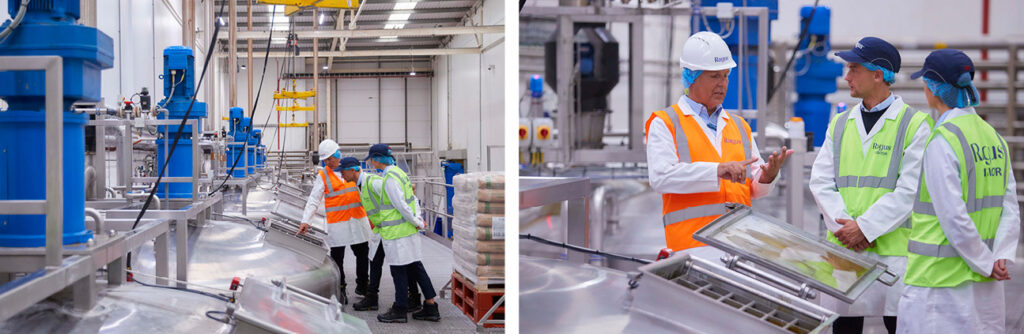
These are practical production issues, and a consultative supplier can help diagnose what is happening and explain why. That may involve looking at the product format, raw material behaviour, process temperature, handling conditions, packing equipment or how the sugar interacts with other ingredients.
This type of support helps customers reduce downtime, maintain quality and avoid unnecessary changes to their finished product.
4. Managing sourcing, logistics and consistency
Ingredient performance does not begin at the factory gate. It starts with sourcing.
For sugar ingredients, raw material origin, supply chain conditions, storage, transport and processing all affect consistency. In a volatile global market, this matters more than ever.
Food and beverage manufacturers need confidence that their supplier can maintain continuity of supply without compromising product quality. This is especially important where sugar ingredients are part of established product formulations or high-speed production processes.
A knowledgeable and expert sugar ingredients supplier should fully understand:
- Cane and beet supply.
- Raw material availability.
- Global logistics.
- Storage requirements.
- Packaging formats.
- Delivery planning.
- Specification control.
- Quality consistency.

Ragus works with both cane and beet sugar inputs and has long-standing supplier relationships across many global souring locations that ensure continuity of supply. This gives us flexibility across different product groups and supply conditions. It also helps customers manage change without unnecessary disruption.
Where supply routes, raw material availability or customer requirements change, the aim is always the same: maintain consistent ingredient performance and protect the brand’s products’ production processes.
5. Supporting traceability, ESG and carbon requirements
Customers should expect more from their sugar ingredients suppliers than product quality and reliable delivery. Food and beverage brands are under growing pressure to understand their supply chains, report emissions, manage ethical and sustainability risk and support wider sustainability commitments. For many businesses, this means looking more closely at ingredient-level data. Sugar ingredients are part of that picture.
Customers may need support with:
- Supply chain traceability.
- Supplier due diligence.
- Sustainable sourcing information.
- Product carbon footprint (PCF) data.
- Scope 3 reporting.
- ESG submissions.
- Ingredient-level sustainability evidence.
This is not separate from commercial supply. It is part of how customers assess supplier relationships, particularly where they have net zero targets, retailer commitments or corporate reporting obligations.
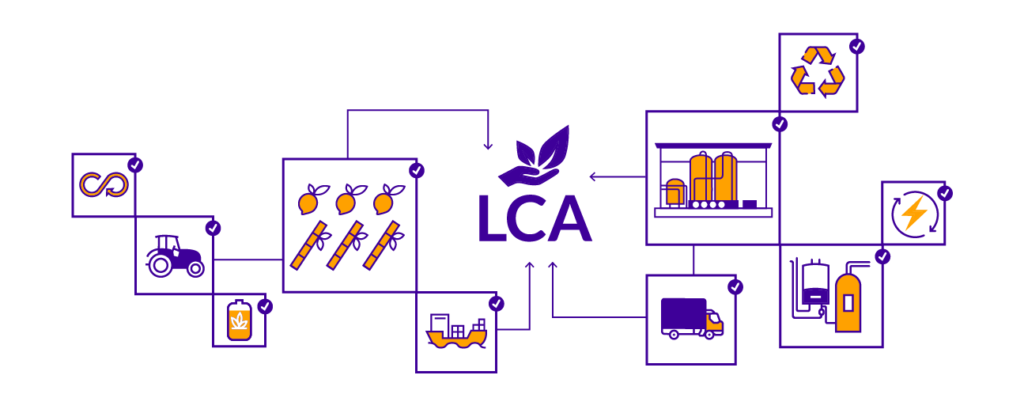
Ragus supports customers by building knowledge around sugar supply chains, product carbon footprints, responsible sourcing and ESG data. This helps customers understand the ingredient-level implications of their choices and gives them clearer information for their own reporting and decision-making.
The key is to make sustainability information practical, relevant and usable, rather than treating it as a separate compliance and reporting exercise.
6. Connecting the ingredient to the finished product
The value of supplier expertise is strongest when it connects directly to the customer’s product. A sugar ingredient supplier should be able to ask:
- What are you making?
- How is it processed?
- What does the sugar need to do, what functional properties are you looking for?
- What production issues are you trying to avoid?
- What happens if the ingredient changes?
- How is the product stored, transported and consumed?
- What information do you need for customers, retailers and internal teams?
These questions help identify the right ingredient, but they also help reduce risk. When the supplier understands both the ingredient and the application, it can support decisions across formulation, production, sourcing, packaging, logistics and sustainability. That is where a consultative approach becomes commercially useful. It helps customers make better choices before issues reach the production line.
What this means for food and drink and pharmaceuticals manufacturers
Sugar ingredient decisions can affect product quality, production efficiency, customer acceptance and supply resilience.
That means the right supplier relationship can help manufacturers:
- Avoid formulation errors.
- Improve product consistency.
- Reduce production disruption.
- Respond to reformulation requirements.
- Manage supply chain risk.
- Support ESG and carbon reporting.
- Protect product quality when conditions change.
In a stable market, it can be tempting to treat sugar as a straightforward input. But in real manufacturing environments, sugar ingredients often do much more than sweeten.
They support the structure, performance and reliability of the product. And the product’s commercial success, or failure.

FAQs
A sugar ingredient supplier can help identify the functional role sugar plays in a product, including texture, colour, moisture, crystallisation, flavour and processing performance. This helps manufacturers reformulate without unnecessarily compromising product quality or production efficiency.
Sugar ingredients do more than provide sweetness. They can affect structure, mouthfeel, viscosity, preservation, fermentation, colour and shelf life. Choosing the wrong ingredient can affect both the finished product and how it performs during production.
Buying sugar is mainly a transactional process. Working long-term with a sugar ingredient partner adds technical support, application knowledge, sourcing expertise and production insight. This can help customers solve formulation, process, supply and sustainability challenges.
Yes. Sugar suppliers with application and process knowledge can help diagnose issues such as flow, crystallisation, coating, build-up, solubility and handling performance. These factors can affect how sugar behaves on the production line.
Sugar suppliers can support customers with supply chain information, traceability, responsible sourcing evidence, product carbon footprint data and Scope 3-related information. This helps customers understand the ingredient-level impact of their supply chain.
Ragus manufactures functional pure sugar ingredients for industrial food and beverage and pharmaceutical applications. But our role does not stop at manufacture.
We help customers select the right sugar ingredient, understand how it will behave, solve practical production challenges and manage supply, storage and sustainability requirements.
This support is not a separate consultancy service. It is part of how Ragus works with its customers.
By combining manufacturing expertise, sourcing knowledge, application understanding and customer service, Ragus helps food and beverage, and pharmaceutical manufacturers get more from their industrial sugar ingredients.
Ragus manufactures functional pure sugar ingredients for industrial food and beverage applications, supporting customers with product selection, reformulation, process performance, supply chain management and ESG requirements. To discuss your sugar ingredient requirements, contact our Customer Services Team. For more sugar news and Ragus updates, keep browsing SUGARTALK and follow Ragus on LinkedIn.