Sugar Talk
Sugar Talk

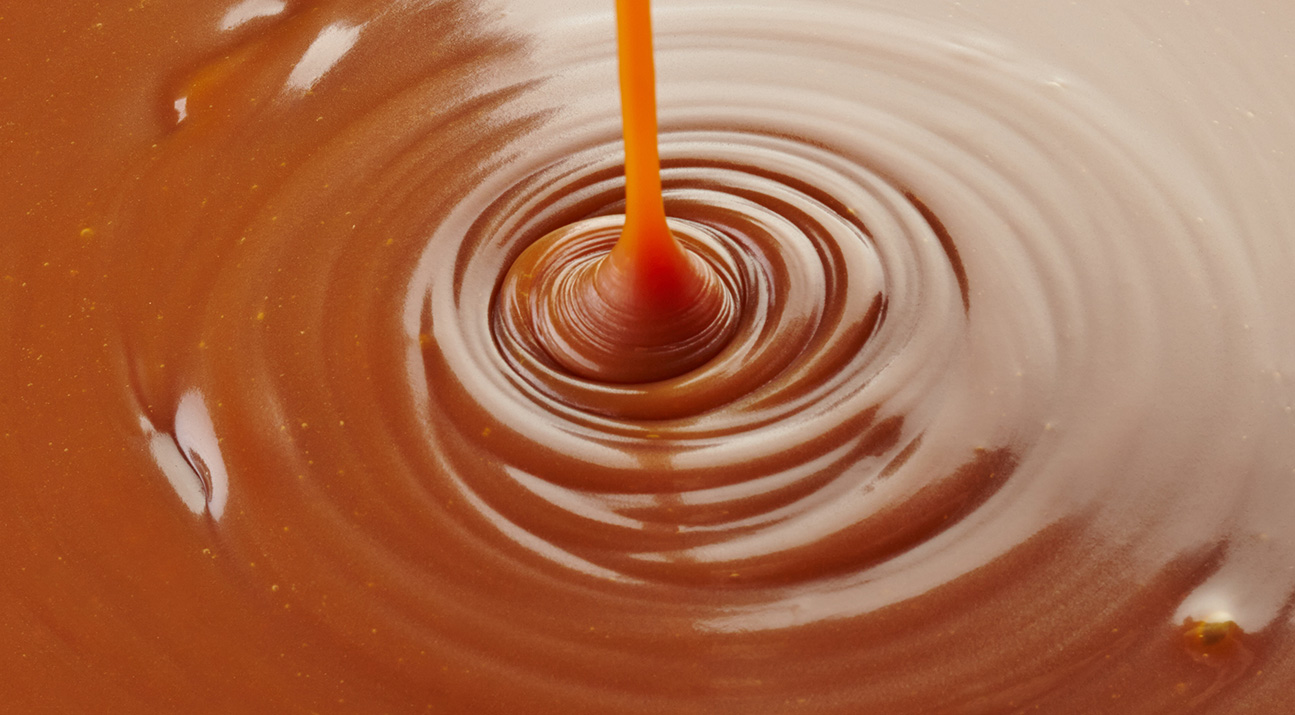
How is caramel made? Ingredients, process and functional sugars explained
Caramel is one of the most widely used flavour and colour components in food and beverage manufacturing. From confectionery and bakery to sauces, dairy and beverages, it delivers distinctive taste, colour and texture across multiple categories.
But how is caramel made? What is caramel made from? And what role do different sugar ingredients play in its structure and functionality?
In this article, we explain the core process of caramelisation, the types of sugars used in industrial production, and why selecting the right functional sugar ingredients is critical for consistency, flavour development and process performance.
What is caramel made from?
At its simplest, caramel is made by heating sugar.
When sugars are heated to high temperatures, they undergo a complex series of reactions known as caramelisation. This process breaks down sugar molecules and forms hundreds of new flavour and colour compounds, resulting in the characteristic amber colour and rich taste associated with caramel.
The most common starting point is sucrose, derived from beet or cane sugar. However, industrial caramel production often uses a range of functional sugar ingredients to control flavour development, colour intensity, crystallisation behaviour and viscosity.
These may include:
- Refined white sugar.
- Soft brown sugars.
- Invert sugar syrups.
- Glucose syrups.
- Golden syrup and other partially inverted syrups.
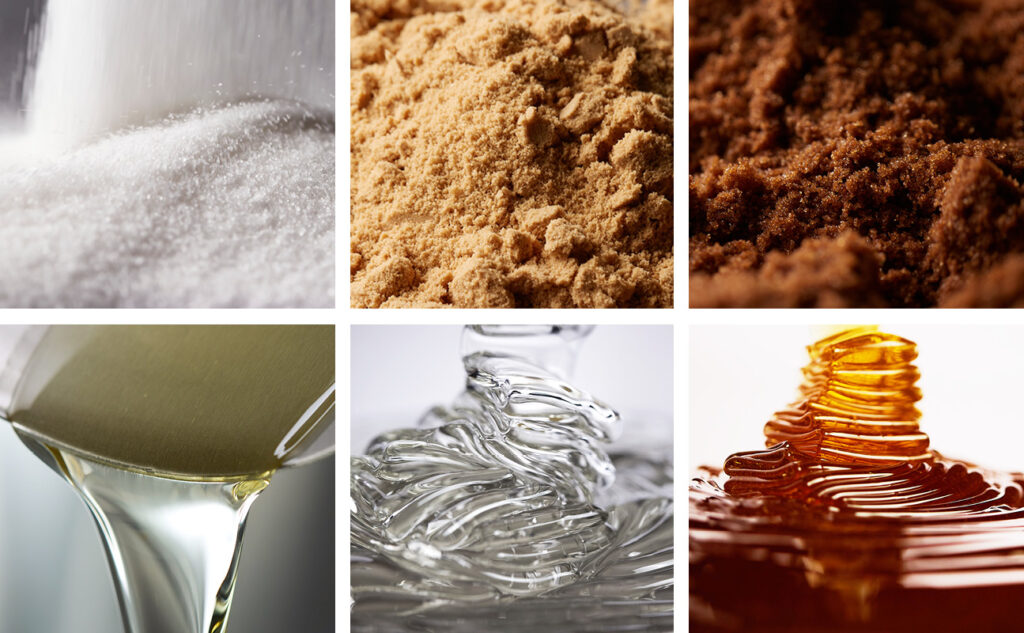
Each of these ingredients influences the final product in different ways.
How is caramel made?
The core principle behind how caramel is made remains the same in both domestic and industrial settings: controlled heating of sugars. However, in commercial food production, the process is far more precise and carefully managed.
1. Heating and melting
Sugar is heated to temperatures typically between 160°C and 180°C. As temperature rises, sucrose begins to melt and break down into glucose and fructose.
2. Caramelisation reactions
As heating continues, dehydration, fragmentation and polymerisation reactions occur.
These reactions generate:
- Brown colour compounds.
- Volatile flavour molecules.
- Bitter and sweet notes that define caramel flavour.
The rate and balance of these reactions depend heavily on:
- Sugar type.
- Moisture content.
- Acidity.
- Heating profile.
3. Functional control
In industrial manufacture, additional ingredients may be used to control texture, prevent unwanted crystallisation and stabilise the final product. This is where functional sugar ingredients become important.
The role of different sugars in caramel manufacture
Understanding the sugar in caramel is essential to achieving consistent quality at scale.
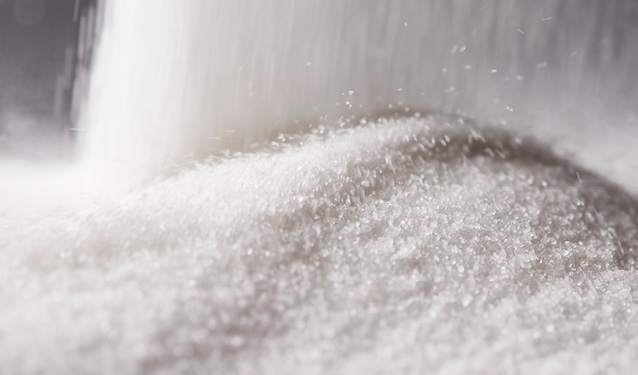
Sucrose
Standard refined sugar provides the base structure. It delivers predictable melting behaviour and clean sweetness. However, pure sucrose systems can crystallise if not properly controlled.
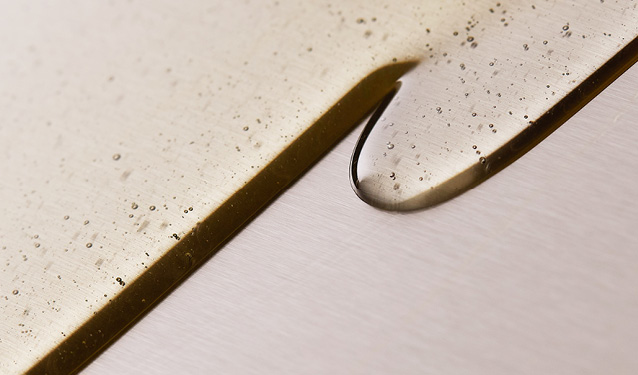
Invert sugar syrup
Invert sugar syrup contains glucose and fructose in solution. Because these sugars interfere with sucrose crystallisation, invert syrups are often used to:
- Improve smoothness.
- Enhance moisture retention.
- Reduce graininess.
- Improve shelf life.
They also influence browning behaviour and flavour complexity.
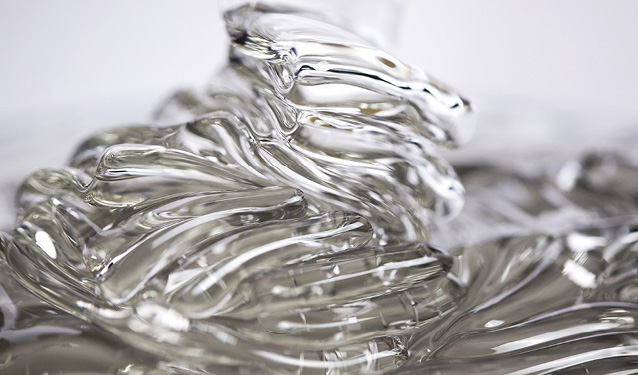
Glucose syrup
Glucose syrup plays a key role in managing viscosity and texture. In caramel manufacture, it can:
- Control crystallisation.
- Adjust chewiness in confectionery.
- Improve stability in sauces and fillings.
- Reduce excessive browning.
Its dextrose equivalent (DE) value determines sweetness and functional behaviour.
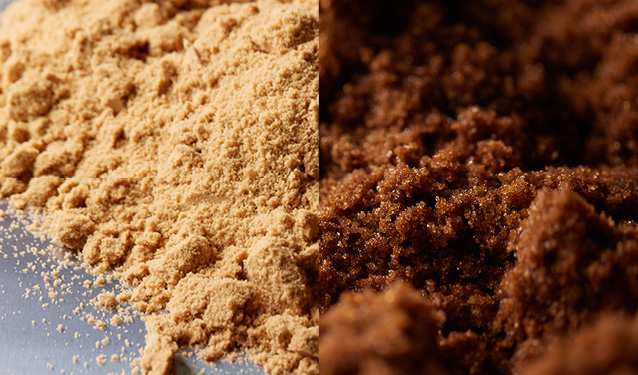
Soft brown sugars
Soft brown light sugar and dark soft brown sugar contain molasses, which contributes additional colour, moisture and flavour notes. These sugars can deepen caramel flavour and enhance colour development without relying solely on high-temperature caramelisation.
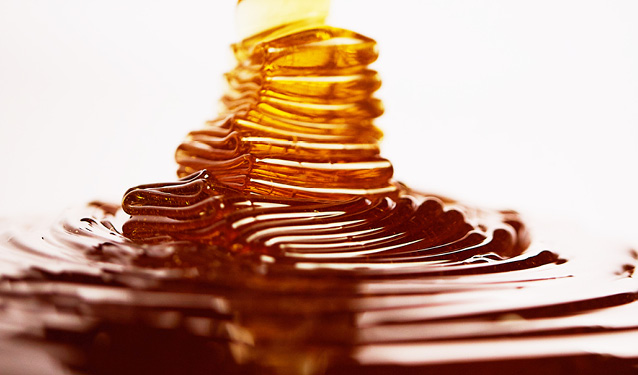
Golden syrup
Golden syrup is a partially inverted syrup that provides:
- Smooth texture.
- Controlled sweetness.
- Improved flow properties.
- Enhanced browning.
It is frequently used in caramel sauces and bakery applications where consistency is critical.
Caramel sugar and colour development
The term “caramel sugar” is sometimes used to describe sugar that has been partially caramelised to develop colour and flavour before incorporation into a final product. Colour development in caramel is influenced by:
- Temperature profile.
- Sugar composition.
- Water activity.
- Acidity.
In industrial settings, tight control over these variables ensures repeatability across batches. Small variations in heat exposure or sugar composition can significantly alter flavour and colour intensity. This is why ingredient specification and process design are closely linked.
Industrial caramel manufacture versus confectionery caramel
It is important to distinguish between:
- Pure caramelisation of sugar.
- Confectionery caramel, which includes dairy, fats and other ingredients.
In confectionery products such as chewy caramels or toffees, the process often combines sugar, glucose syrup and dairy components. Here, the Maillard reaction, which occurs between sugars and proteins, contributes additional flavour complexity.
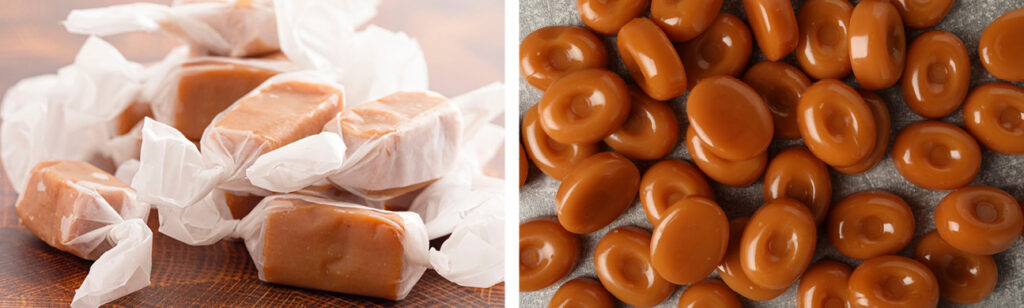
Even in these systems, the choice of sugar ingredients determines:
- Final texture.
- Cutting behaviour.
- Water activity.
- Shelf stability.
For manufacturers operating at scale, consistency and process performance are as important as flavour.
Caramel applications in food and beverages
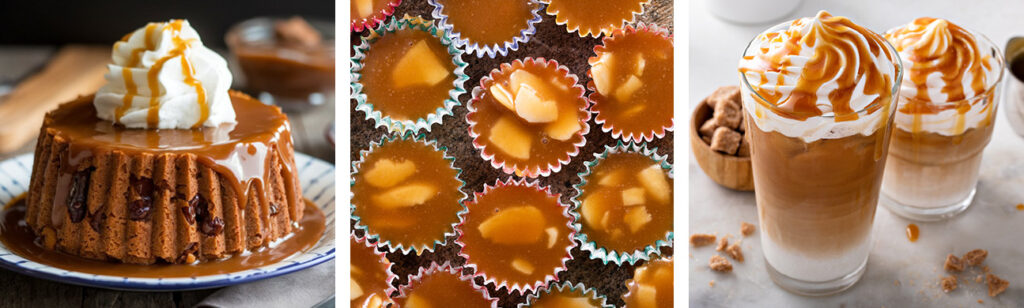
Caramel is used across a wide range of applications, including:
- Confectionery and toffees.
- Bakery fillings and toppings.
- Dessert sauces.
- Ice cream inclusions.
- Dairy beverages.
- Flavoured syrups.
- Alcoholic and non-alcoholic drinks.
In each case, the formulation challenge differs.
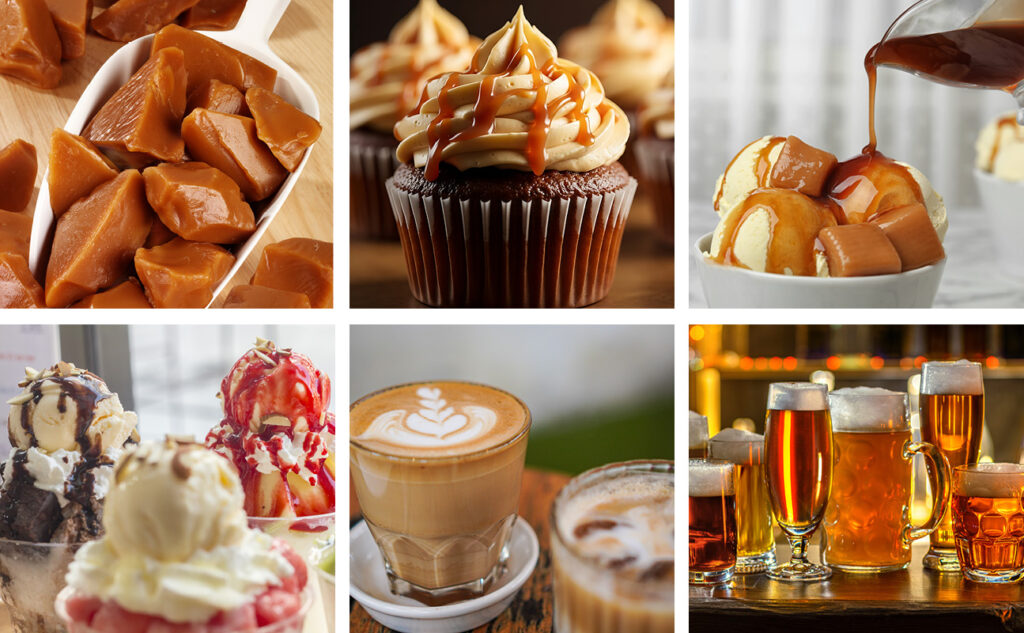
A caramel sauce for bakery may prioritise viscosity and bake stability. A confectionery caramel may require precise chew and resistance to crystallisation. A beverage syrup may focus on colour and solubility. The functional sugars selected at the start of the process directly influence these outcomes.
Why functional sugar ingredients matter in caramel production
When asking how caramel is made in an industrial context, the answer is not simply “heat sugar”. It is about controlling:
- Crystallisation.
- Moisture retention.
- Viscosity.
- Colour development.
- Flavour balance.
- Shelf life.
Different sugar ingredients provide different tools to achieve these outcomes.
For food technologists and development chefs, understanding the role of invert sugars, glucose syrups and brown sugars allows greater control over product performance.
For procurement teams, selecting suppliers with expertise in functional sugar ingredients supports product consistency and operational reliability.
Supporting caramel manufacture with the right sugar expertise
While Ragus does not manufacture caramel itself, we supply a wide range of functional sugar ingredients used in caramel production across industrial food and beverage applications.
Our team works with manufacturers to:
- Select the right sugar profile for their process.
- Improve stability and consistency.
- Optimise texture and flavour development.
- Ensure reliable supply across applications.
Whether developing confectionery, bakery fillings, sauces or beverage syrups, understanding how sugar behaves under heat is fundamental. Caramel may begin with sugar and heat, but achieving consistent quality at scale depends on selecting the right functional sugar ingredients from the start.
Ragus manufactures functional pure sugar ingredients for industrial food and beverage applications, enhancing flavour, texture and appearance. To discuss how our invert sugars, glucose syrups and brown sugars can support your product development, contact our Customer Services Team. For more insight into sugar functionality and industrial applications, explore SUGARTALK and follow Ragus on LinkedIn.

Ben Eastick
A board member and co-leader of the business, Ben is responsible for our marketing strategy and its execution by the agency team he leads and is the guardian of our corporate brand vision. He also manages key customers and distributors.
In 2005, he took on the role of globally sourcing our ‘speciality sugars’. With his background in laboratory product testing and following three decades of supplier visits, his expertise means we get high quality, consistent and reliable raw materials from ethical sources.


