
Sugar Talk
Sugar Talk

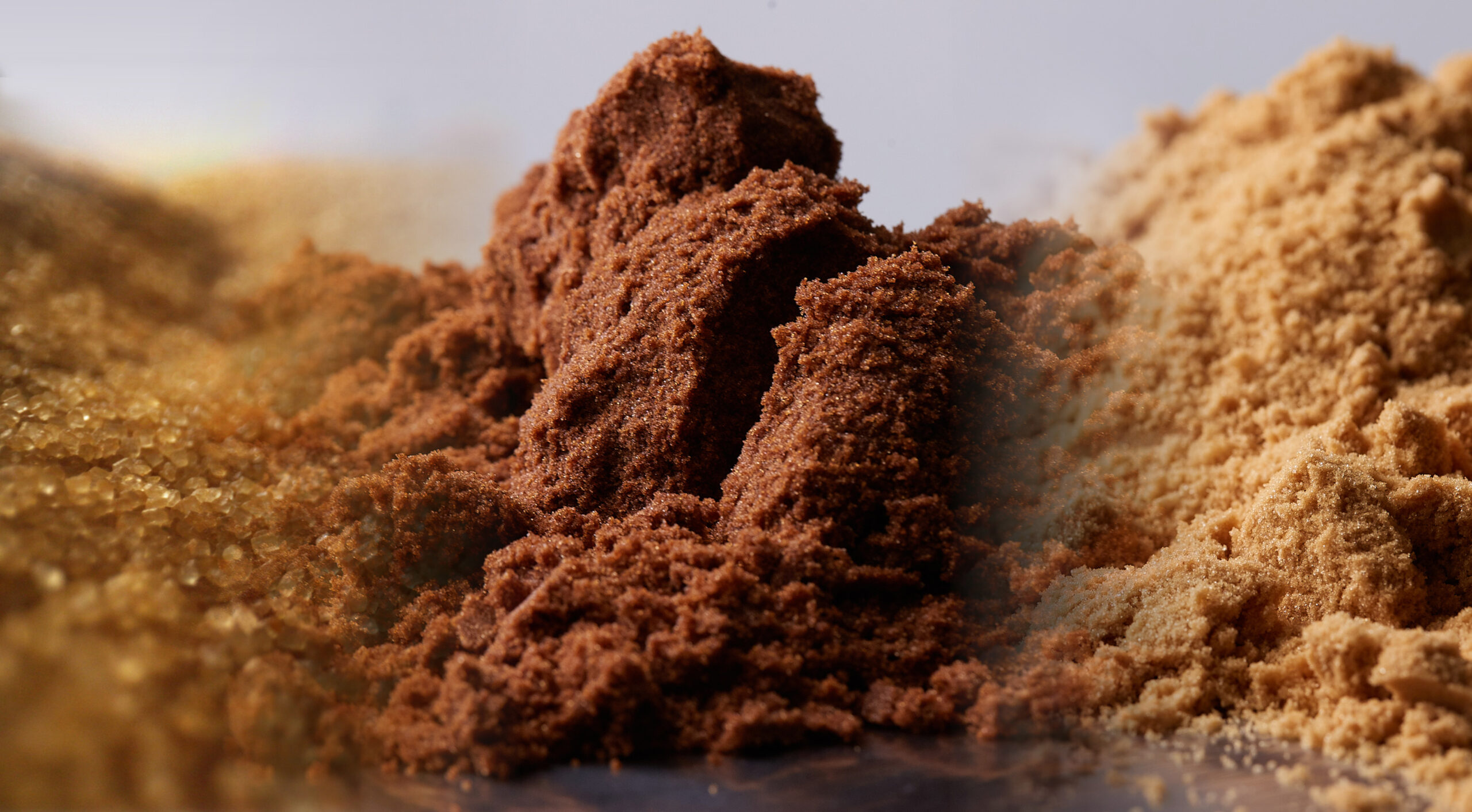
Crystalline sugars: what’s the difference?
Crystalline sugar sits at the heart of many food and beverage formulations, yet the term is often used loosely to describe a wide range of products with very different properties. For buyers, bakers and food technologists, understanding how crystalline sugars differ is essential when specifying ingredients, managing flavour and texture, or reformulating recipes across markets.
This article explains what crystalline sugar is, how different crystalline sugars are made, and why their origin and composition matter. It focuses specifically on the crystalline sugars we manufacture here at Ragus, including demerara sugar, light and dark cane muscovado sugars, and light and dark soft brown sugars.
Whether you are sourcing ingredients for large-scale production, developing new bakery or confectionery products, or advising customers at trade distribution level, this guide is designed to help you choose the right crystalline sugar for the right application.
What is crystalline sugar?
Crystalline sugar is sucrose in solid form. Sucrose is a disaccharide, meaning it is made up of two simpler sugar molecules: glucose and fructose, chemically bonded together. This structure gives sucrose its characteristic sweetness, stability and functional behaviour in food systems.
At room temperature, sucrose naturally forms crystals. These crystals are created when sucrose molecules arrange themselves into a regular, repeating lattice structure as water is removed during processing. The resulting crystals vary in size, colour and surface characteristics depending on how the sugar is produced and what remains on the crystal surface.
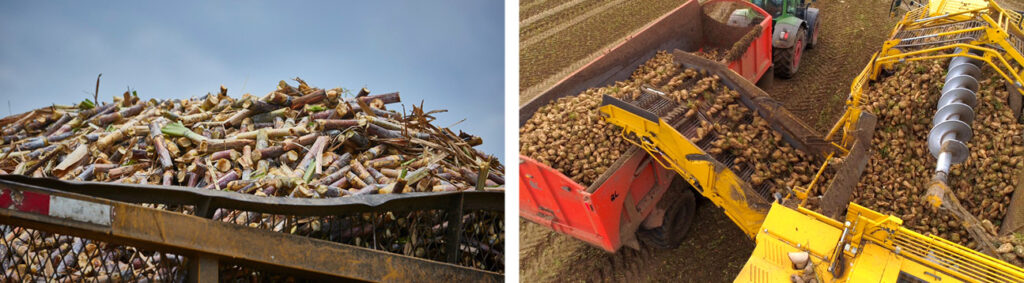
Crystalline sugar is produced from two main agricultural sources: sugarcane and sugar beet. In both cases, the process involves extracting sugar-rich juice, purifying it, concentrating it by evaporation, and then allowing sucrose to crystallise. The key differences arise in how much of the natural molasses is removed or retained, and whether molasses is added back after crystallisation.
What is the difference between crystalline sugars?
The main differences between crystalline sugars lie in their botanical origin, processing method and molasses content. These factors determine colour, flavour intensity, crystal structure and functional behaviour in finished products.
Beet sugars are derived from sugar beet and are one source of refined white sugar and the source of soft brown sugars. Soft brown sugars are produced by coating refined white beet sugar crystals with carefully controlled amounts of molasses. This process creates a free-flowing crystalline sugar with a moist texture and consistent colour and flavour profile.
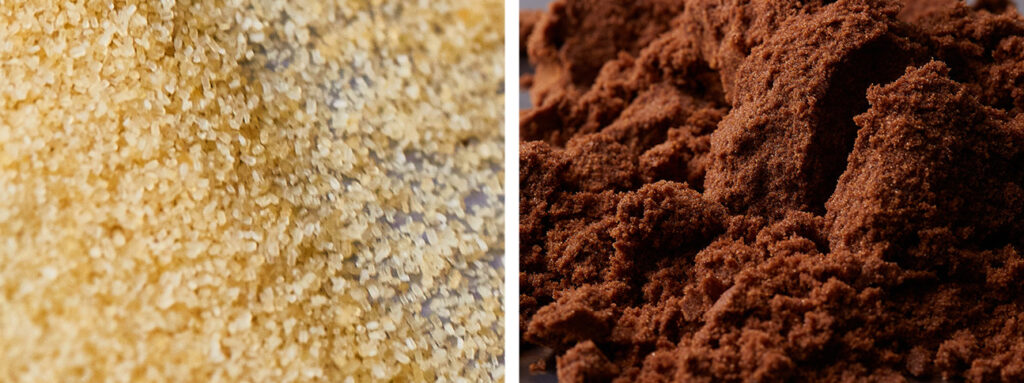
Cane sugars are produced from sugarcane and include refined white sugar, raw cane sugars, demerara sugar and muscovado sugars. Demerara sugar and muscovado sugars are exclusively cane-derived products. Demerara sugar is produced by crystallising cane juice and retaining a thin layer of natural cane molasses on large, golden crystals. Muscovado sugars are less refined cane sugars where a higher proportion of natural molasses remains bound to the crystal.
Cane molasses is the defining ingredient that gives demerara, muscovado and soft brown sugars their distinctive characteristics. The type and level of molasses influence flavour complexity, colour depth, moisture retention and performance during baking, cooking and fermentation. This is why crystalline sugars that appear similar can behave very differently in real-world applications.
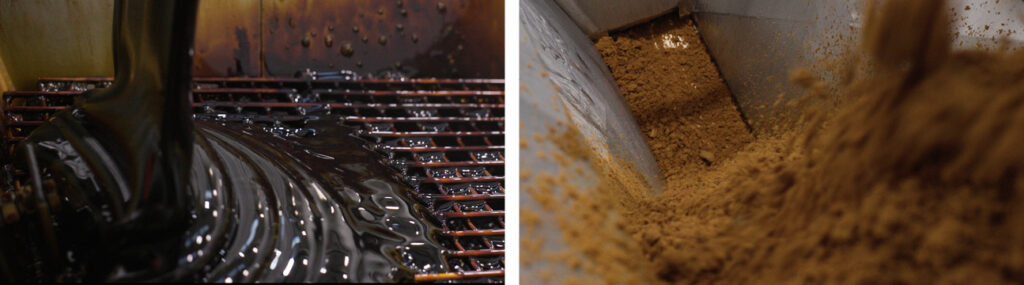
What are the functional properties of crystalline sugars?
Crystalline sugars contribute far more than sweetness. Their functional properties play a critical role in texture, colour development, flavour release and shelf life across a wide range of food and beverage products.
Flavour and aroma vary significantly between crystalline sugars. Refined white sugar delivers clean sweetness, while molasses-containing sugars such as demerara and muscovado introduce caramel, toffee and treacle notes. Darker sugars with higher molasses content provide greater flavour intensity and complexity, which can reduce the need for additional flavourings and colourings.
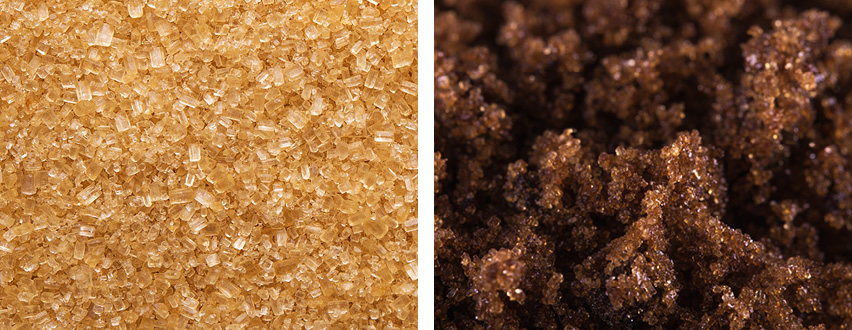
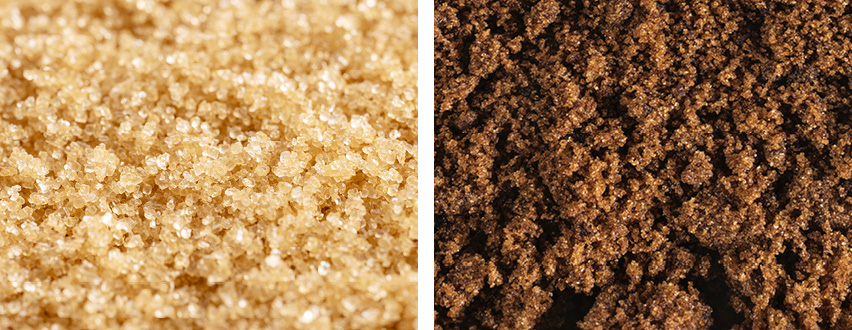
Colour development is another key functional property. Crystalline sugars participate in caramelisation and the Maillard reaction, contributing to browning, crust formation and visual appeal. Sugars with higher molasses content tend to promote deeper colour development due to their mineral and reducing sugar content.
Texture and mouthfeel are influenced by crystal size, shape and surface composition. Larger crystals, such as those found in demerara sugar, add crunch and visual contrast, while finer or coated crystals in soft brown sugars dissolve more readily and contribute to moistness. These differences are particularly important in bakery, confectionery and cereal applications.
What are the applications of crystalline sugars?
Crystalline sugars are used across almost every food and beverage category, but not all sugars perform the same role. Selecting the right crystalline sugar depends on the desired flavour profile, texture, appearance and processing conditions.
Baking, cakes and biscuits
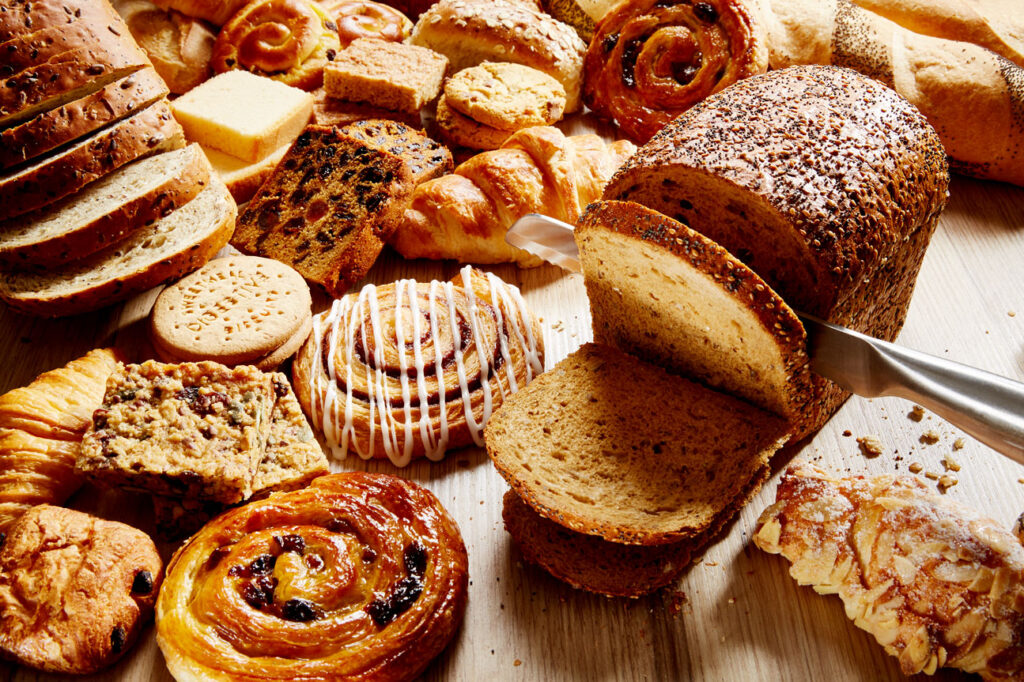
In baking, soft brown sugars are commonly used in cakes, biscuits and pastries to
enhance moisture retention, softness and shelf life. Muscovado sugars are valued in gingerbread, fruit cakes and spiced products where deep molasses flavours are required.
Demerara sugar is often used as a topping for baked goods, adding crunch and visual appeal.
Confectionery and desserts
In confectionery and desserts, crystalline sugars influence sweetness balance, colour and structure. Muscovado sugars are used in fudges, caramels and toffees, while soft brown sugars are suitable for fillings, sauces and dessert bases. Demerara sugar is popular in traditional puddings and syrups.
Beyond bakery and confectionery, crystalline sugars play important roles in dairy products, breakfast cereals and cereal bars, where they contribute to flavour, binding and browning.
In brewing, cocktails and soft drinks, cane-derived sugars are used for fermentation, flavour depth and colour. Pharmaceutical applications use crystalline sugars as excipients, coatings and carriers due to their stability and predictable behaviour.

FAQs
Crystalline sugar is sucrose in solid form, where sugar molecules are arranged into a regular crystal structure after crystallisation from solution.
Granulated sugar, often called table sugar or simply white sugar, is one type of crystalline sugar, but crystalline sugar also includes brown sugars, demerara and muscovado sugars.
Demerara sugar is made from sugarcane and retains a natural layer of cane molasses on large crystals.
Soft brown sugars are typically made from refined beet sugar with molasses added back to the crystals.
The difference lies in molasses content, which affects colour, flavour intensity and moisture.
Brown sugar can be used as a substitute, but it will not provide the same crystal size or crunch.
Dark soft brown sugar can be used as a substitute, though flavour depth may differ.
They retain higher levels of natural cane molasses, which attracts and holds moisture.
Yes, different crystalline sugars influence caramelisation and Maillard reactions in different ways.
This depends on the product, but soft brown and muscovado sugars are widely used for moisture and flavour.
Key takeaways
Crystalline sugars are not interchangeable ingredients. Their origin, molasses content and crystal structure affect flavour, colour, texture and performance. Choosing the right sugar matters for consistency, quality and formulation success. Ragus supplies a full range of crystalline sugars to meet these needs.
Ragus manufactures functional pure sugar ingredients for industrial food and beverage applications, enhancing flavour, texture and appearance. To learn more about our crystalline sugars, contact our Customer Services Team. For more sugar news and Ragus updates, keep browsing SUGARTALK and follow Ragus on LinkedIn.


